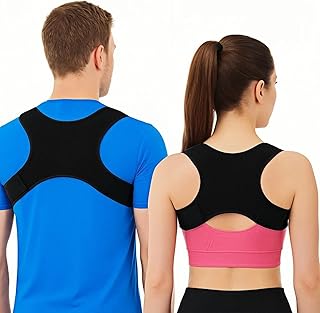
In today's digital age, where hours are spent hunched over screens, poor posture has become a widespread health concern. Slouching, rounded shoulders, and forward head posture can lead to chronic pain, reduced mobility, and even impact your confidence. Fortunately, modern solutions like Posture Corrector devices offer a practical and effective way to retrain your body into a healthier alignment. This guide explores everything you need to know about these supportive tools, from their benefits to choosing the right one for your needs.
What is a Posture Corrector and How Does It Work?
A posture corrector is a wearable device designed to gently pull your shoulders back and align your spine. It acts as a physical reminder, preventing you from slouching and encouraging the muscles in your back, neck, and shoulders to engage correctly. Over time, consistent use can help strengthen these muscles and make good posture feel more natural. Unlike rigid braces, many modern correctors are designed for comfort and discretion, allowing you to wear them under clothing during daily activities. For a deeper dive into the mechanics and benefits, check out this comprehensive Posture Corrector Guide.
Key Benefits of Using a Posture Support Device
The advantages of improving your posture extend far beyond simply standing up straight. Regular use of a back support device can lead to significant pain relief. By alleviating strain on the muscles and ligaments, correctors can reduce discomfort in the neck, shoulders, and upper and lower back. They are particularly beneficial for addressing issues like hunchback correction and providing thoracic support. Furthermore, improved spinal alignment enhances breathing capacity, increases energy levels, and can even improve digestion. It's a holistic approach to health & wellness.
Choosing the Right Posture Corrector: Features to Look For
With numerous options on the market, selecting the best posture corrector can be overwhelming. Here are the essential features to consider:
Adjustability and Fit
An adjustable posture brace is crucial for a personalized and effective fit. Look for models with multiple adjustment points on the shoulders and torso to ensure it provides support without being restrictive. Products like the HLOES Posture Corrector and the KNXWALT Posture Corrector are praised for their customizable fit, which is key for both comfort and efficacy.
Material and Breathability
Since you'll likely wear it for extended periods, breathability is paramount. Mesh fabrics and lightweight materials prevent overheating and skin irritation. The Upgraded Breathable Full Back Support brace and the Fit Geno Invisilite model emphasize airy, comfortable designs that you can forget you're wearing.
Level of Support and Design
Consider the area you need the most help with. Some braces focus on the upper back and shoulders, acting as an adjustable shoulder straightener. Others, like the Kepwaa Full Back Brace, offer comprehensive lumbar support for the entire spine, which can be beneficial for conditions like scoliosis. For a detailed comparison of types and designs, the Ultimate Guide to Posture Correctors is an excellent resource.
Top-Rated Posture Correctors to Consider
Here’s a look at some highly-regarded options that cater to different needs:
For Discreet Daily Wear: The Vaunn® Back Correction Belt and the Fit Geno Posture Corrector for Women are designed to be invisible under clothes, making them ideal for wearing to work or during social activities.
For Maximum Comfort: The UltraSupport+ Posture Corrector lives up to its name, focusing on being a comfortable posture aid for all-day wear without chafing.
For Targeted Support: The WNIEYO Back Brace functions as an effective shoulder straightener, specifically targeting upper back alignment and slouching correction.
How to Use a Posture Corrector Effectively
To reap the full benefits, it's important to use your back brace correctly. Start by wearing it for short periods, around 15-30 minutes a day, and gradually increase the duration as your body adapts. It should feel supportive but not painful. Always combine its use with conscious effort—try to maintain the corrected posture even when you're not wearing it. Strengthening exercises for your core and back muscles will complement the device's work, leading to more permanent posture improvement. For a step-by-step usage guide, refer to the Posture Corrector Usage Guide.
Investing in a quality posture corrector is an investment in your long-term health and well-being. By providing gentle, consistent posture support, these devices can help you break the cycle of pain and poor alignment, leading to a more confident and comfortable life.